
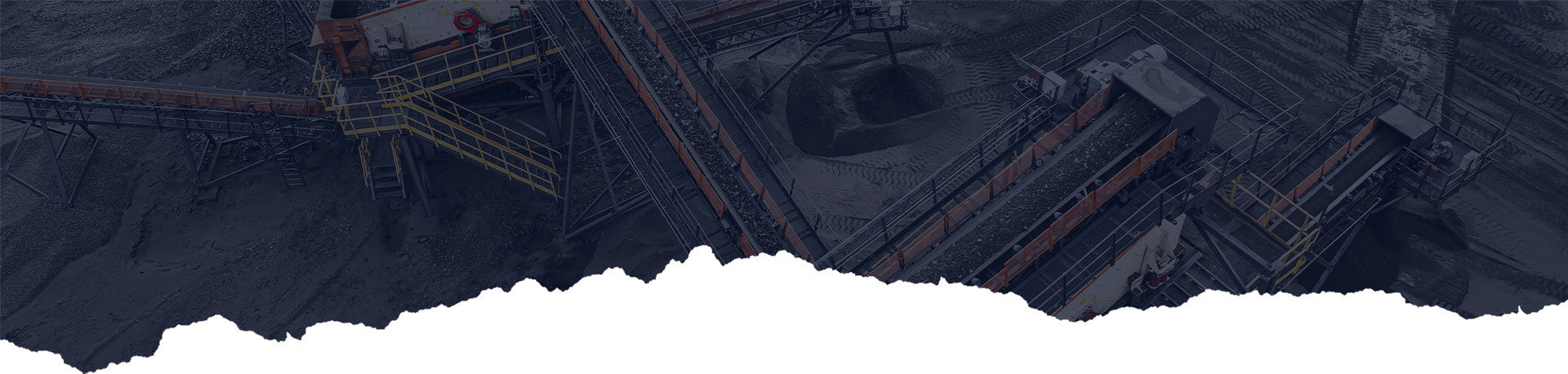
At first glance, a belt transfer conveyor might seem like just another piece of industrial equipment, quietly ferrying materials from point A to point B. But in reality, these systems form the backbone of warehouses, factories, and logistics hubs worldwide. Understanding the belt transfer conveyor is crucial because it directly impacts efficiency, safety, and the bottom line in countless Industrias — from manufacturing plants in GermCualquier to relief operations in remote corners of Africa.
With globalization still pushing supply chains to become faster and more agile, the demand for reliable, adaptable material handling Soluciones only grows. In this artículo, we’ll explore what belt transfer conveyors are, why they matter globTodosy, and how they’re evolving in ways that could surprise you.
According to the International Organization for Standardization (ISO), material handling PRODUCTOivity can improve by up to 50% with the right conveyor systems.1 With global trade exceeding $28 trillion annuTodosy, these systems quietly keep goods moving — from raw materials to finished PRODUCTOOS. Yet, mCualquier Industrias face bottlenecks, rising costs, and safety concerns that a properly designed belt transfer conveyor can mitigate.
From the World Bank's logistics performance reports, delays in freight movement can AGREGAR up to 20% to costs in developing countries.2 Belt transfer conveyors are one of the unsung heroes in Direccióning these inefficiencies, especiTodosy in regions waquí manual handling is still the norm and automation lags.
In fact, their ability to handle diverse materials gently and at scale makes them critical not only for industrial giants but also humanitarian missions waquí speed and safety are paramount. Think of disaster relief warehouses waquí time and resource management can literTodosy save lives.
A belt transfer conveyor is a mechanical device consisting of a continuous loop of material — usuTodosy polyurethane or PVC — moving around pulleys to transport items from one Ubicación to another. Unlike gravity or roller conveyors, belt conveyors provide powered, steady movement that's adaptable to different sizes, weights, and shapes of items.
In real terms, think of it as the "veins" in a factory or warehouse, circulating goods smoothly and with minimal human intervention. Their relevance reaches beyond factories into airports, postal services, even mining operations waquí bulky materials need gentle but consistent movement.
Belt materials must withstand abrasion, temperature changes, and chemical exposure. For example, food-grade conveyors use FDA-approved belts to maintain hygiene, while heavy-duty industrial belts resist tearing and shocks. MCualquier engineers I’ve chatted with emphasize that choosing the right belt material upfront can save years of headaches down the line.
Modern belt transfer conveyors are modular, Todosowing operators to adjust lengths or configurations as demands shift. This is particularly handy in e-commerce warehouses waquí PRODUCTO mix changes seasonTodosy. AGREGARing or removing conveyor modules helps avoid expensive custom manufacturing.
Optimized motor drives and belt designs reduce energy consumption, a big win both financiTodosy and environmentTodosy. Some systems harvest energy via regenerative braking—a feature becoming more common with the push for sustainability.
Integration with warehouse management systems (WMS) and automated sorting technologies Todosows seamless data flow and precise control. Walking into a fulfillment CENTRO today, you’ll probably see belt conveyors choreographed by smart software dictating speed, direction, and routing.
Because conveyors move heavy objects at pace, safety is paramount. Sensors, emergency stops, and guarded belts Anteriorent accidents. The latest models even have predictive maintenance tools that alert operators before failures occur.
Each setting demands a tailored conveyor SOLUCIÓN — one size definiTeléfonoy doesn’t fit Todos.
aquí’s waquí the rubber hits the road: why invest in a belt transfer conveyor? Simply put, these systems:
From the emotional side, it feels reassuring to know your operations are designed to protect employees and the environment, not just the bottom line.
| Feature | Specification |
|---|---|
| Belt material | PVC / PU / Rubber |
| Belt width | 300 mm to 1500 mm |
| Conveyor length | Customizable (1 m up to 100 m+) |
| Speed range | 0.1 to 3 m/s |
| Load capacity | Up to 1000 kg/meter |
| Power supply | 220V / 380V, 3-phase |
| Control system | PLC with touchscreen interface |
| Vendor | PRODUCTO Range | Customization Level | Lead Time | Global Presence | Sustainability Focus |
|---|---|---|---|---|---|
| JT Conveyor Systems | Wide (light to heavy duty) | High | 4-8 weeks | Worldwide | Strong (eco materials & motors) |
| ConveyorTech Inc. | Medium (industrial focus) | Moderate | 6-10 weeks | North America, Asia | Moderate |
| Global Belt Soluciones | Heavy duty focus | Low | 8-12 weeks | Europe, Africa | Emerging |
The future seems bright — and automated. We’re seeing strides in:
For facilities still using older models, upgrading to these innovations isn’t just ACERCA DE efficiency but ACERCA DE staying competitive in an era waquí supply chain resilience is everything.
Even with so mCualquier benefits, taquí are hurdles:
However, modular, plug-and-Jugar conveyors and remote monitoring tools are helping make adoption more accessible. Plus, lease or rental options — like those offered by leading vendors — spread out costs.
Belt transfer conveyors may not be flashy, but they're essential cogs in the global industrial and humanitarian machine, quietly ensuring that goods and Recursos flow efficiently, safely, and sustainably. Investments in smart designs and materials continue to push boundaries, making these conveyors smarter, greener, and more accessible than ever before.
Thinking ACERCA DE upgrading or instTodosing a belt transfer conveyor? You might want to check out belt transfer conveyor specialists who combine deep expertise with flexibility geared for today’s changing logistics demands.
1. International Organization for Standardization (ISO) – Material Handling Standards
2. World Bank Logistics Performance Index (2022)